
Articles RSS
History of fixie bicycles
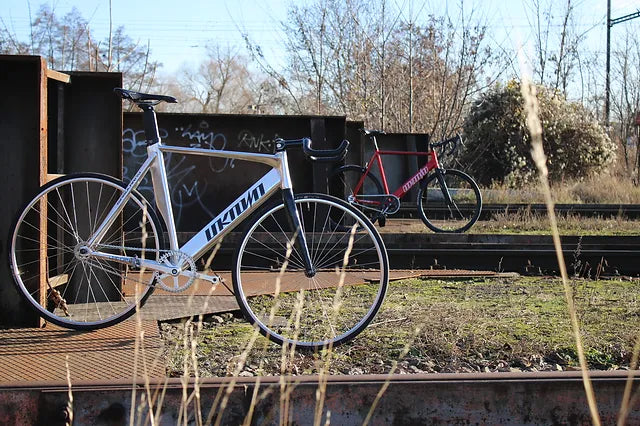

The history of fixie bicycles, also known as fixed-gear or fixed-wheel bicycles, can be traced back to the late 19th century, when they were first used in track cycling events. In these early days, fixie bikes were used by professional cyclists who wanted to train on a bike that closely resembled the one they would be racing on. In the early 20th century, fixie bikes became more widely available to the general public, and they began to be used for transportation and leisure as well as for racing. The simplicity and affordability of fixie bikes made them popular with riders...
Are fixie bikes maintenance free?
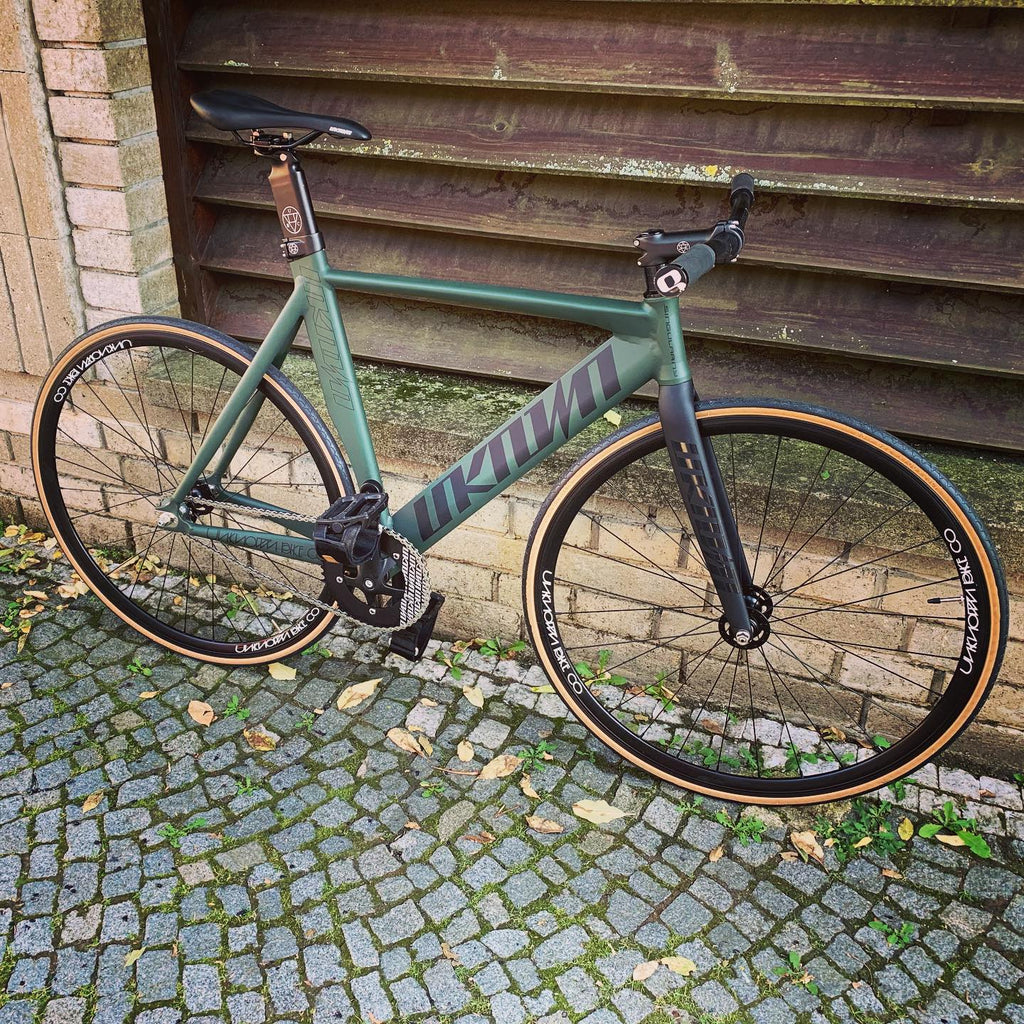

Fixie bikes, or fixed-gear bicycles, are known for their simplicity and ease of maintenance compared to other types of bikes. However, they still require some regular maintenance in order to keep them running smoothly and safely. Here are some things to consider when it comes to maintaining a fixie bike: Cleaning: One of the most important aspects of fixie maintenance is keeping the bike clean. This includes regular cleaning of the frame, wheels, and drivetrain components. Dirt and grime can build up on the bike over time, causing wear and damage to the components. Use a soft cloth and a...
What is the difference between fixie bicycle and track bicycle?
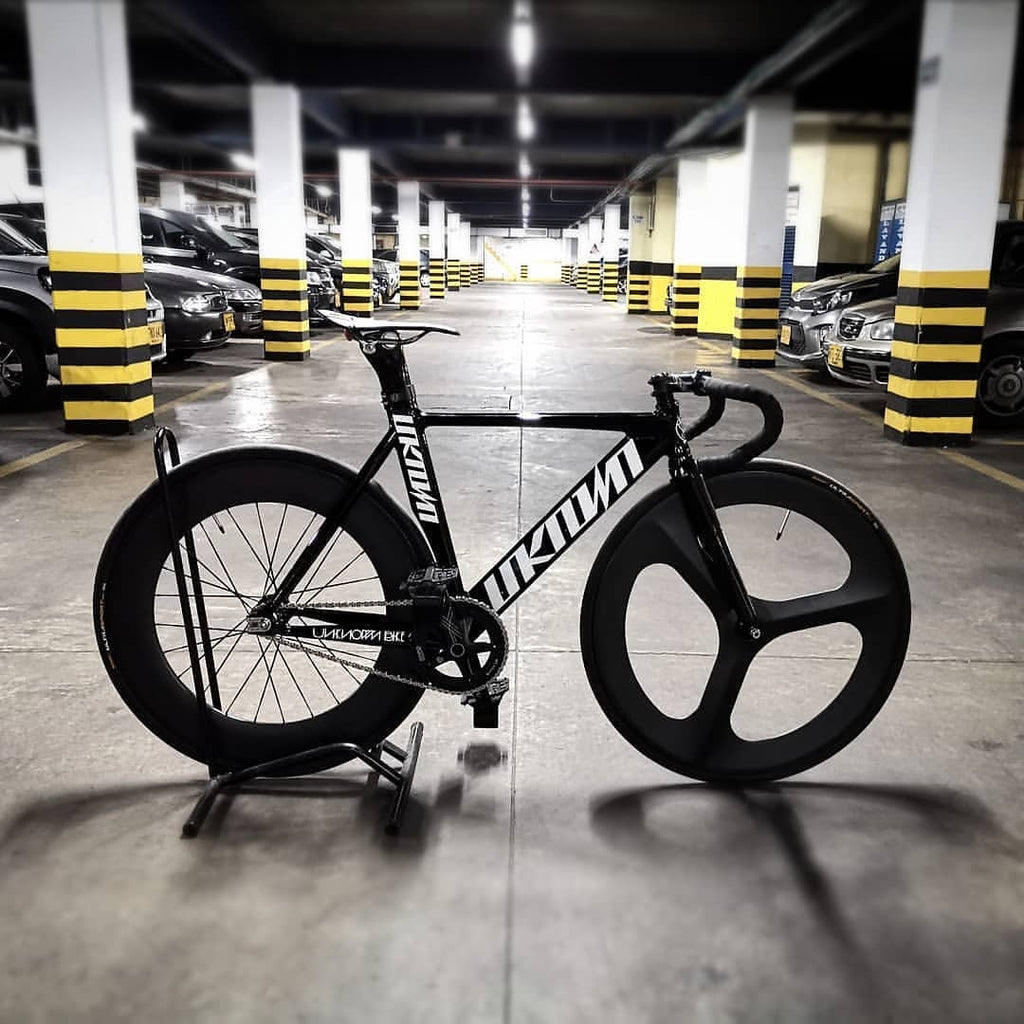

A fixie, or fixed-gear bicycle, is a type of bike that has a single gear ratio and does not have a freewheel mechanism, which allows the pedals to continue turning even when the bike is not in motion. This means that the pedals are always connected to the rear wheel, and the rider must pedal in order to move the bike forward. Fixies are popular among urban riders and commuters because they are simple, lightweight, and easy to maintain. A track bike, on the other hand, is a type of bike specifically designed for use on a velodrome, or an...
How do you stop on a fixie?
Stopping a fixie, or a fixed-gear bicycle, can be done in a few different ways, depending on the specific type of bike and the preferences of the rider. Here are some common methods for stopping a fixie: Using the brakes: Most fixies have at least one brake, typically a caliper brake located on the front wheel. To use the brake, the rider simply squeezes the brake lever with their hand, causing the brake pads to clamp down on the rim of the wheel and slow the bike down. It's important to practice using the brake before riding the bike, as...
Why I Ride a Fixie


There are a number of reasons why some riders choose to ride a fixed gear bike, also known as a "fixie." Some of the main reasons include: Simplicity: Fixies are known for their simplicity, as they have fewer components and accessories than other types of bikes. This can make them easier to maintain and repair, and can also make them more attractive to riders who prefer a stripped-down, no-frills riding experience. Direct power transfer: One of the main features of a fixie is the direct power transfer from the pedals to the rear wheel. This means that the pedals are...